
A Guide to Over-the-Counter Sleep Aids: Benefits and Risks

Scott Chappell
Galt Pharmaceuticals Director of Medical Affairs
The evidence supporting over-the-counter sleep aids is mixed and varies considerably by product type. Antihistamines like diphenhydramine and doxylamine are the most commonly used OTC sleep aids, found in brands like Benadryl, Unisom, and ZzzQuil. However, clinical practice guidelines from the American Academy of Sleep Medicine suggest against using diphenhydramine for chronic insomnia due to weak efficacy evidence—studies show it reduces sleep onset by only 7-11 minutes compared to placebo. [1] These medications carry significant risks including anticholinergic side effects (dry mouth, urinary retention, constipation), rapid tolerance development, cognitive impairment, and increased dementia risk with long-term use. [2]
Melatonin demonstrates modest but consistent benefits, reducing sleep onset latency by approximately 7 minutes and increasing total sleep time by 8 minutes in adults. [2-3] The effects appear more pronounced in older adults (≥55 years) with prolonged-release formulations and in children with neurodevelopmental disorders. [4-6] Melatonin has a favorable safety profile with minimal side effects (drowsiness, dizziness, headache) and low potential for dependence, though quality control issues exist with supplements. [2-3]
The information below provides a comprehensive review of common OTC sleep aids including brand names, dosing, efficacy evidence, and safety considerations. Antihistamines should be reserved for occasional short-term use only, while melatonin may be appropriate for certain populations, particularly older adults and those with circadian rhythm disorders. Neither should replace cognitive behavioral therapy for insomnia (CBT-I), which remains the first-line treatment for chronic insomnia.
A Guide to Over-the-Counter Sleep Aids: Benefits and Risks
Insomnia affects approximately one-third of adults worldwide, and many turn to over-the-counter (OTC) sleep aids for relief. While these products are widely available and perceived as safe alternatives to prescription medications, the evidence supporting their use varies considerably. This review examines the most common OTC sleep aids, their active ingredients, and what the research tells us about their effectiveness and safety.
Antihistamine-Based Sleep Aids
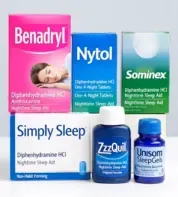
Diphenhydramine is the most commonly used OTC sleep aid in the United States. This first-generation antihistamine works by blocking histamine receptors in the brain, producing sedation. Common brand names include:
- Benadryl
- Nytol
- Sominex
- Simply Sleep
- ZzzQuil (original formula)
- Unisom SleepGels
Typical dose: 25-50 mg taken 30 minutes before bedtime
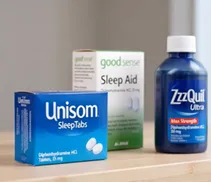
Doxylamine succinate is another antihistamine with similar sedating properties and a longer half-life than diphenhydramine. Brand names include:
- Unisom SleepTabs
- Good Sense Sleep Aid
- ZzzQuil Ultra
Typical dose: 25 mg taken 30 minutes before bedtime
What the Evidence Shows
The efficacy data for antihistamine sleep aids is surprisingly limited. The American Academy of Sleep Medicine clinical practice guidelines suggest clinicians not use diphenhydramine for chronic insomnia, based on weak evidence of effectiveness. Studies show that diphenhydramine reduces sleep onset by an average of only 7-11 minutes compared to placebo, falling below the threshold for clinical significance. A 2022 network meta-analysis found that doxylamine demonstrated moderate efficacy for acute insomnia treatment, performing better than diphenhydramine in head-to-head comparisons.
Risks and Considerations
While antihistamines are generally well-tolerated in the short term, they carry several important risks:
Short-term side effects:
- Excessive daytime sedation and “hangover” effect
- Anticholinergic effects: dry mouth, constipation, urinary retention, blurred vision
- Cognitive and psychomotor impairment
- Paradoxical agitation in some individuals
- Worsening of restless legs syndrome
Long-term concerns:
- Rapid tolerance development (often within days to weeks)
- Increased risk of dementia with chronic anticholinergic medication use
- Rebound insomnia upon discontinuation
- Falls and injuries, particularly in older adults
Contraindications:
- Glaucoma
- Enlarged prostate with urinary difficulties
- Chronic obstructive pulmonary disease or asthma
- Pregnancy and breastfeeding (consult healthcare provider)
- Children under 12 years
Antihistamines are intended for occasional use only, not chronic insomnia. Older adults should be particularly cautious, as they are more susceptible to anticholinergic side effects and cognitive impairment.
Melatonin
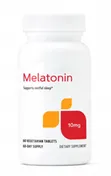
Melatonin is a hormone naturally produced by the pineal gland that regulates the sleep-wake cycle. Synthetic melatonin is available as a dietary supplement in various formulations:
- Immediate-release tablets
- Extended-release (prolonged-release) formulations
- Sublingual tablets
- Gummies
- Liquid forms
Common brands include Nature Made, Natrol, Life Extension, and many store brands.
Typical dose: 0.5-10 mg, though lower doses (0.5-3 mg) may be as effective as higher doses
What the Evidence Shows
Melatonin’s effectiveness varies by population and formulation. Meta-analyses show that melatonin reduces sleep onset latency by approximately 7 minutes and increases total sleep time by about 8 minutes in adults with primary insomnia—modest but statistically significant improvements. The effects appear more pronounced in certain populations:
- Older adults (≥55 years): Prolonged-release melatonin shows larger effect sizes for sleep efficiency
- Children and adolescents: More robust evidence for effectiveness, particularly in those with neurodevelopmental disorders
- Delayed sleep phase syndrome: Strong evidence for effectiveness in shifting sleep timing
- Jet lag and shift work: Some evidence for circadian rhythm adjustment
Importantly, melatonin appears to have minimal effect on sleep maintenance (staying asleep) and primarily helps with sleep onset.
Risks and Considerations
Melatonin has a favorable safety profile compared to other sleep aids:
Common side effects:
- Daytime drowsiness
- Dizziness
- Headache
- Nausea
- Vivid dreams or nightmares
Important considerations:
- Quality and dosing inconsistencies: Studies have found that actual melatonin content in supplements can vary widely from labeled amounts
- Drug interactions: May interact with blood thinners, immunosuppressants, diabetes medications, and birth control pills
- Not regulated as strictly as medications by the FDA
- Long-term safety data in adults is limited
- Effects on fertility and pregnancy are not well established
Melatonin has low potential for abuse or dependence and does not appear to cause tolerance with continued use, making it a reasonable option for short-term use in appropriate populations.
Combination Products
Many OTC sleep aids combine antihistamines with pain relievers:
- Tylenol PM: Acetaminophen + diphenhydramine
- Advil PM: Ibuprofen + diphenhydramine
- Excedrin PM: Acetaminophen + aspirin (in some formulations) + diphenhydramine
These products are marketed for people with pain that interferes with sleep. However, regular use of pain relievers when pain is not present carries risks of liver damage (acetaminophen) or gastrointestinal bleeding and cardiovascular effects (aspirin and ibuprofen). These combination products should only be used when both pain relief and sleep assistance are needed.
Herbal Supplements
Various herbal products are marketed for sleep, including valerian root, chamomile, lavender, passionflower, and lemon balm. While some studies suggest potential benefits, particularly for valerian, the evidence is generally inconsistent and limited by small sample sizes and methodological issues. Quality control is also a concern with herbal supplements, as active ingredient content can vary significantly between products.
The Bottom Line
Over-the-counter sleep aids offer varying levels of effectiveness with different risk profiles:
Antihistamines (diphenhydramine, doxylamine):
- Widely available but limited efficacy evidence
- Best reserved for occasional, short-term use (a few days to weeks)
- Significant anticholinergic side effects and dementia risk with chronic use
- Not recommended for older adults or chronic insomnia
Melatonin:
- Modest effectiveness for sleep onset, particularly in older adults and those with circadian rhythm disorders
- Favorable safety profile with low risk of serious side effects
- Minimal potential for dependence or tolerance
- Quality and dosing consistency concerns with supplements
General recommendations:
- OTC sleep aids should not replace good sleep hygiene practices
- Chronic insomnia (lasting more than 2 weeks) warrants medical evaluation
- Cognitive behavioral therapy for insomnia (CBT-I) is the first-line treatment for chronic insomnia
- Consult a healthcare provider before using sleep aids regularly, especially if you have medical conditions or take other medications
- Avoid alcohol when using any sleep aid
- Use the lowest effective dose for the shortest duration necessary
If insomnia persists despite OTC interventions and sleep hygiene improvements, professional evaluation is essential to identify underlying causes and explore evidence-based treatment options.
References
- Clinical Practice Guideline for the Pharmacologic Treatment of Chronic Insomnia in Adults: An American Academy of Sleep Medicine Clinical Practice Guideline. Journal of Clinical Sleep Medicine. 2017. Sateia MJ, Buysse DJ, Krystal AD, Neubauer DN, Heald JL.
- Management of Insomnia. The New England Journal of Medicine. 2024. Morin CM, Buysse DJ.
- Meta-Analysis: Melatonin for the Treatment of Primary Sleep Disorders. PloS One. 2013. Ferracioli-Oda E, Qawasmi A, Bloch MH.
- Efficacy of Melatonin for Chronic Insomnia: Systematic Reviews and Meta-Analyses. Sleep Medicine Reviews. 2022. Choi K, Lee YJ, Park S, Je NK, Suh HS.
- Efficacy of Melatonin and Ramelteon for the Acute and Long-Term Management of Insomnia Disorder in Adults: A Systematic Review and Meta-Analysis. Journal of Sleep Research. 2023. Maruani J, Reynaud E, Chambe J, et al.
- Efficacy on Sleep Parameters and Tolerability of Melatonin in Individuals With Sleep or Mental Disorders: A Systematic Review and Meta-Analysis. Neuroscience and Biobehavioral Reviews. 2022. Salanitro M, Wrigley T, Ghabra H, et al.
Disclaimer
The information provided is for general informational and educational purposes only. It is not intended to serve as medical advice, diagnosis, or treatment. The content is written by a licensed pharmacist and reflects general knowledge and expertise in the healthcare field, but it is not a substitute for professional medical advice from a qualified healthcare provider.
Always consult your physician, pharmacist, or other qualified healthcare professional before starting, stopping, or modifying any medication, treatment, or health regimen. Individual health conditions and needs vary, and only a healthcare professional can provide personalized advice tailored to your specific situation.
While we strive to ensure the accuracy and currency of the information presented, medical knowledge is constantly evolving, and errors or omissions may occur. The blog's content does not cover all possible uses, precautions, side effects, or interactions of medications or treatments. Reliance on any information provided is solely at your own risk.
Links to external websites or resources are provided for convenience and do not imply endorsement or responsibility for their content.