What is Musculoskeletal Pain?

Brittinee Merriweather
Student Pharmacist at Mercer University
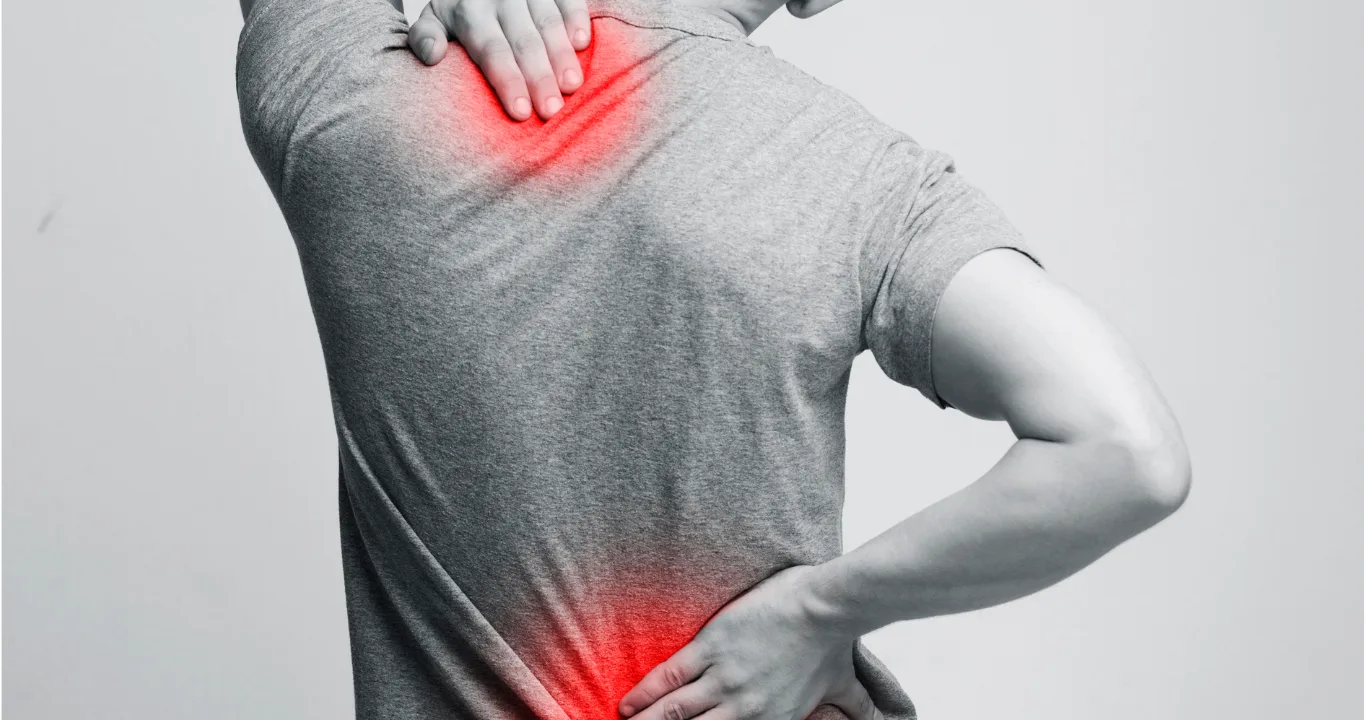
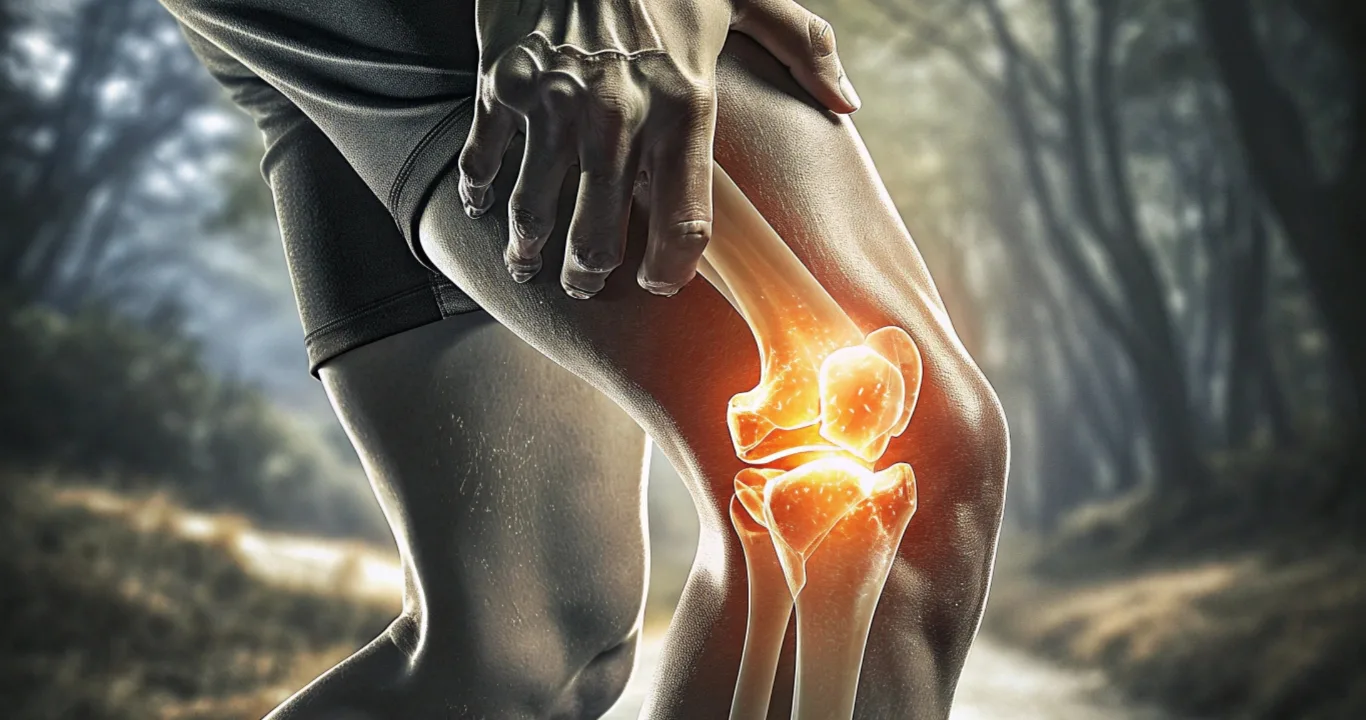
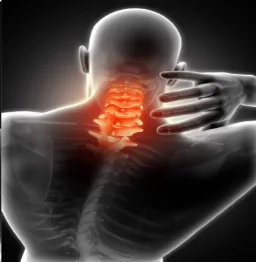
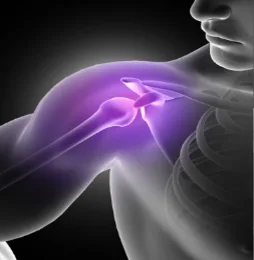
More than 65 million health care visits in the United States are complaints of musculoskeletal injuries.1 Musculoskeletal injuries involving the neck, shoulder, knee, and other body parts originate from the musculoskeletal system and are often associated with pain. This musculoskeletal pain affects the muscles, ligaments, tendons, and bones and can result from mechanical trauma, extreme temperature, or chemical injuries. When an injury occurs, the body detects potential tissue damage and sends signals to the brain. Once the brain is notified that potential tissue damage has occurred, there’s an unpleasant sensory and emotional experience called pain. This process of sensing pain also triggers inflammation, a natural response that helps the body repair tissue damage.
People with musculoskeletal pain may experience symptoms such as aching, stiffness, and pain worsening with movement. The most common symptoms are muscle pain associated with muscle spasms and cramps. Depending on the duration of the symptoms, musculoskeletal pain is classified into two types: acute and chronic pain. Acute pain symptoms lasts less than 3 months and resolves as the injury heals. Chronic pain persists for longer than 3 months.
Untreated pain can lead to worsening symptoms, diminished quality of life and increased healthcare costs for many patients. Numerous treatments options exist, but it is important to understand what musculoskeletal pain is, how the medication works, and deciding what works best for the patient. According to The American College of Physician and American Academy of Family Physician, it is recommended to use complementary therapy with topical NSAIDs as a first line treatment option.1 As the severity increase, there’s an escalation in therapy to oral NSAIDs. NSAIDs like ibuprofen, naproxen, and aspirin decrease the production of a hormone-like substance called prostaglandin that promotes pain and inflammation. Overall NSAIDs help to reduce musculoskeletal pain and inflammation. It is essential to discuss treatment options with healthcare providers to determine the most appropriate treatment plan depending on its availability, cost, initial assessments, and side effects.
Sources
- Qaseem A, McLean RM, O’Gurek D, et al. Nonpharmacologic and Pharmacologic Management of Acute Pain From Non–Low Back, Musculoskeletal Injuries in Adults: A Clinical Guideline From the American College of Physicians and American Academy of Family Physicians. Ann Intern Med. 2020;173(9):739-748. doi:10.7326/M19-3602.
- Galluzzi KE. Pain management in primary care. In: Benzon HT, Rathmell JP, Wu CL, Turk DC, Argoff CE, Hurley RW, eds. Practical Management of Pain. 6th ed. Elsevier; 2023:1015-1033.
- Mullins AM, Kornick CM. Pain Management. In: DiPiro JT, Yee GC, Haines ST, Nolin TD, Ellingrod VL, Posey LM, eds. Pharmacotherapy: A Pathophysiologic Approach. 13th ed. McGraw Hill; 2023. Chapter 83.
- Grosser T, Ricciotti E, Fitzgerald GA. Pharmacotherapy of Inflammation, Fever, Pain, and Gout. In: Brunton LL, Hilal-Dandan R, Knollmann BC, eds. Goodman & Gilman’s The Pharmacological Basis of Therapeutics. 14th ed. McGraw Hill; 2022. Chapter 42.
Disclaimer
The information provided is for general informational and educational purposes only. It is not intended to serve as medical advice, diagnosis, or treatment. The content is written by a licensed pharmacist and reflects general knowledge and expertise in the healthcare field, but it is not a substitute for professional medical advice from a qualified healthcare provider.
Always consult your physician, pharmacist, or other qualified healthcare professional before starting, stopping, or modifying any medication, treatment, or health regimen. Individual health conditions and needs vary, and only a healthcare professional can provide personalized advice tailored to your specific situation.
While we strive to ensure the accuracy and currency of the information presented, medical knowledge is constantly evolving, and errors or omissions may occur. The blog's content does not cover all possible uses, precautions, side effects, or interactions of medications or treatments. Reliance on any information provided is solely at your own risk.
Links to external websites or resources are provided for convenience and do not imply endorsement or responsibility for their content.